
Years ago, I heard the phrase, “Don’t mistake motion for movement.” In fundraising, that warning is especially relevant. It’s easy to stay busy all day and still avoid the work that actually advances donor relationships.
Mass communication is a good example. Sending an email update to your entire donor list is efficient and often necessary. You can share impact, announce new programs, and stay visible with supporters at every giving level.
But let’s be clear: that is mass communication—NOT meaningful contact, especially when it comes to major donors.
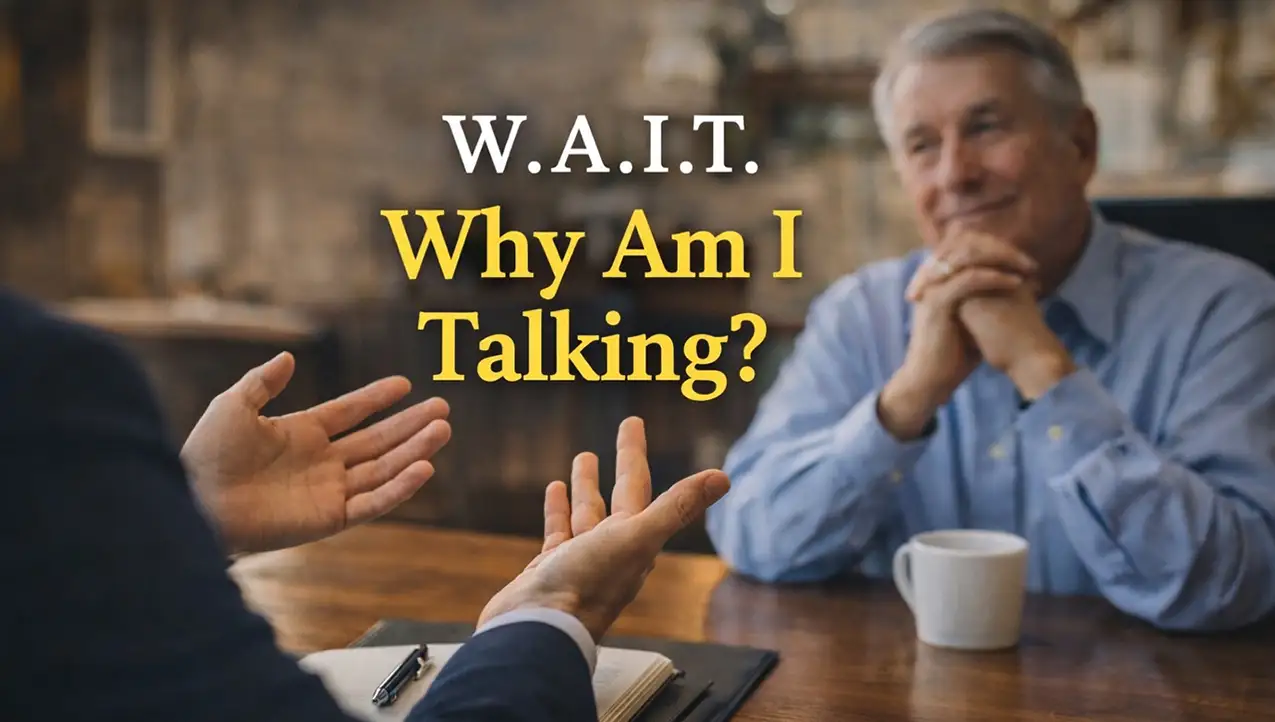
Meaningful contact is tailored outreach that invites a response. It reflects what you know about the donor and moves the relationship forward through two-way interaction, not one-way information delivery.
For example, a personalized message from an Executive Director might look like this:
Dear Mary,
It was so nice seeing you at our gala in October. We just completed our new strategic plan for the year, and I wanted to share a draft with you. As one of our most loyal supporters, I’d really value your topline reaction. I’ve asked my colleague to reach out so we can schedule a time to talk.
Best,
[Executive Director]
This works because it acknowledges the relationship, references a recent interaction, asks for the donor’s perspective, and creates a clear next step. It’s not just an update—it’s an invitation into a partnership.
If you want to build stronger connections with major donors, consider these practices:
· Review your cultivation toolbox. Take inventory of all the tailored ways you can engage donors: special reports, board connections, small gatherings, program visits, and face-to-face meetings. Most organizations have more options than they realize or regularly use.
· Strategize as a team. Bring development staff, leadership, and, board members (when appropriate) together to think through how best to inspire and engage specific donors. The strongest ideas usually come from collaboration.
· Be creative—and be personal. Creativity comes from context. Use what you know about a donor’s interests, history with your organization, and professional or family background to design engagement that fits them, not just your calendar.
As fundraisers, we have to strike a balance. Mass communication matters. It keeps your organization visible, and your supporters informed. But it should never become a substitute for relationship-building.
If most of your donor “touches” are emails and newsletters, you may be very active—but you’re not necessarily making progress. Real movement happens when donors are invited into meaningful conversation.
That’s the work that grows major gifts—and sustains strong organizations.