
Celebrating the Philanthropic History of America in Her 250th Year
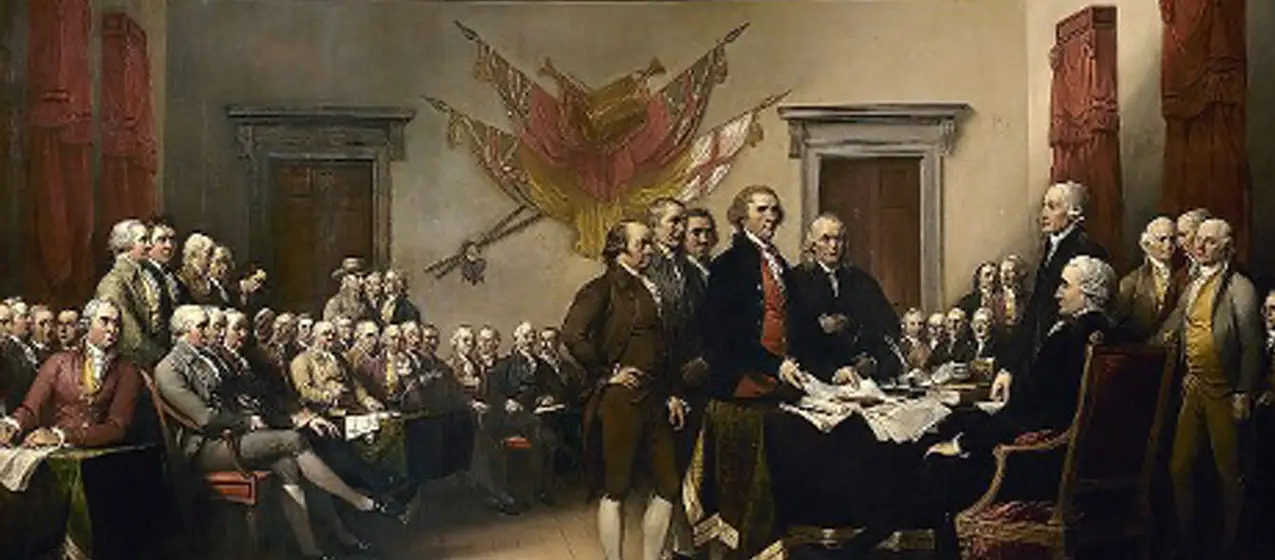
As our nation celebrates its 250th year, we turn back to remember the great men and women who helped shape our nation. Several names easily come to mind, including our first president, George Washington; scientist and printer Benjamin Franklin; and silversmith Paul Revere.
Perhaps less well known is the impact these individuals and other patriots had on the legacy of philanthropy in America. To celebrate and remember their contributions, we have selected a few memorable founding-era philanthropists. May their examples inspire us today!
George Washington (1732–1799)
Washington understood that leadership meant responsibility. In his will, he provided for the emancipation of the enslaved people he legally controlled and set aside resources for their education and care. He regularly contributed to churches of various denominations, modeling religious liberty through action.
Thomas Jefferson (1743–1826)
Jefferson transformed his philosophy of education into brick and mortar by founding the University of Virginia. He designed its academic vision and architecture, convinced that free inquiry would sustain a free people. His advocacy for publicly funded education reflected his belief that knowledge should never be reserved for the privileged few.
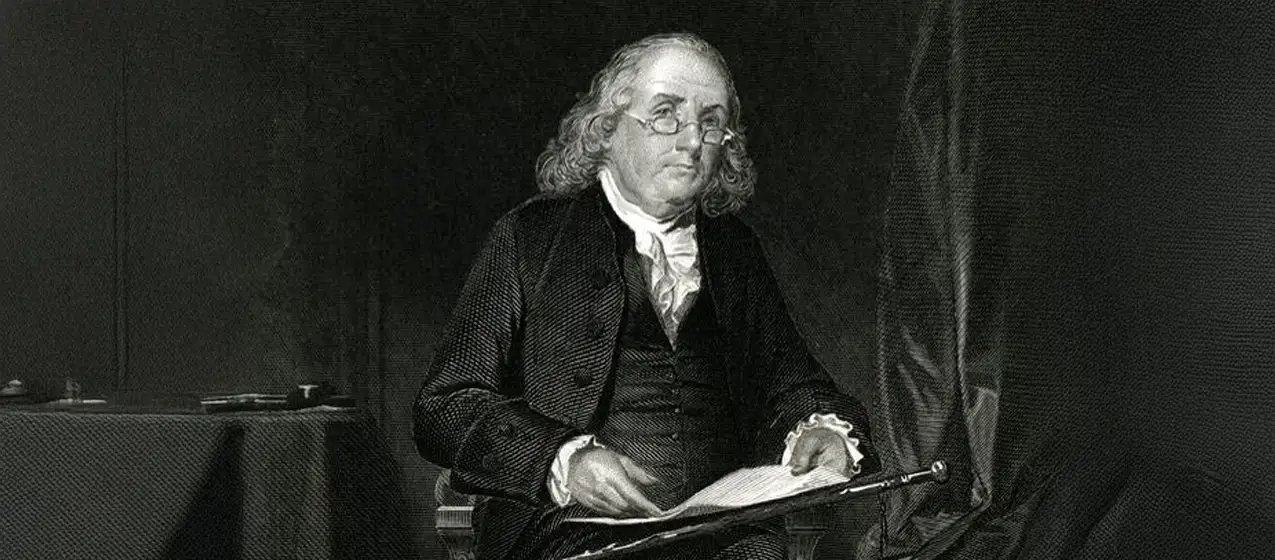
Benjamin Franklin (1706–1790)
Franklin pioneered a uniquely American model of philanthropy: voluntary citizens joining together to solve shared problems. He founded a lending library so tradesmen could educate themselves, helped establish Pennsylvania Hospital, and laid the groundwork for what became the University of Pennsylvania. In his 1789 will, he also established one of the earliest examples of a long-term charitable endowment.
Alexander Hamilton (1755–1804)
Rising from poverty, Hamilton believed opportunity should not be determined by birth. As a co-founder of the New York Manumission Society, he worked toward gradual abolition and helped establish a school for Black children.
John Hancock (1737–1793)
A wealthy merchant turned patriot, Hancock used his fortune to support revolutionary efforts when resources were scarce. He also contributed to Harvard College and civic institutions in Boston, strengthening both intellectual and public life.
Charles Carroll (1737–1832)
Carroll invested his wealth in schools, churches, and infrastructure projects that strengthened both faith communities and economic growth. As a Catholic leader in a Protestant-majority society, his philanthropy promoted religious freedom in the new republic.
Benjamin Rush (1746–1813)
A physician with a reformer’s heart, Rush co-founded Dickinson College and advocated for prison reform, education for women, and abolition. His philanthropy blended medical practice, reform advocacy, and institutional leadership.
Robert Morris (1734–1806)
When the Revolution faltered financially, Morris used his personal credit to sustain the army. He later helped establish the Bank of North America, stabilizing the fragile economy. His sacrifice demonstrated courageous civic generosity.
Elizabeth Ann Seton (1774–1821)
St. Elizabeth Ann Seton founded the Sisters of Charity and opened the first free Catholic school in the United States.
James Smithson (1765–1829)
Smithson left a bequest to the federal government “for the establishment of an institution for the increase and diffusion of knowledge.” This bequest eventually formed the Smithsonian Institution—a private endowment administered by public officials—which represented a model of philanthropy that would later be emulated throughout the United States.
Paul Revere (1735–1818)
The famed midnight rider supported community mutual-aid efforts, apprenticeships, and institutions that benefited tradesmen and working families.
From all of us at AC Fitzgerald, we wish you a happy Fourth of July and hope you enjoy celebrating our great nation during her 250th anniversary year!